

About Me
I support neurodivergent children, teenagers and families who are battling with school, life transitions, and the everyday challenges that can come with ADHD, autism and related differences.
My work combines evidence-based strategies with practical coaching and a compassionate understanding of how different brains experience the world.
I have worked with children and young people for 30 years in a variety of settings. I spent many of these years in schools
including whole-class teaching from KS2 to A-Level; internal policy development; pastoral mentoring; one-to-one support in SEND departments; running life-skills, wellbeing, critical thinking & philosophy groups; and delivering research-based interventions.
Over time I became increasingly interested in the students whose strengths were often overlooked by traditional systems.
This led me to further post-graduate education and training to focus my work on neurodivergent young people and their families, helping them find practical ways forward when school, routines or life transitions become overwhelming. I added specialist coaching qualifications to this as I saw first-hand how well children and teenagers benefitted from this approach.
I have a deep interest in different approaches to learning, having home educated my own neurodivergent children for several years before their move to further education and university respectively.
In addition to my work with a diverse range of clients, my lived experience of neurodivergent traits gives me invaluable insight and makes me particularly well placed to anticipate and empathise with the issues faced by those who are struggling to manage life's demands.
Above all, I want my young clients and the people who love them to feel empowered and good about themselves - particularly as they often come to me feeling shame, frustration and a sense of failure.
My Approach
My approach is practical, collaborative and informed by research. I draw on evidence-based strategies from psychology and education, while recognising that every child and has a different context.
In sessions, I use a combination of coaching, psychoeducation and therapeutic tools depending on individual needs. Having taught across the primary curriculum and a wide range of subjects at secondary level, I am also often able to help students develop practical strategies for very subject specific areas of learning.
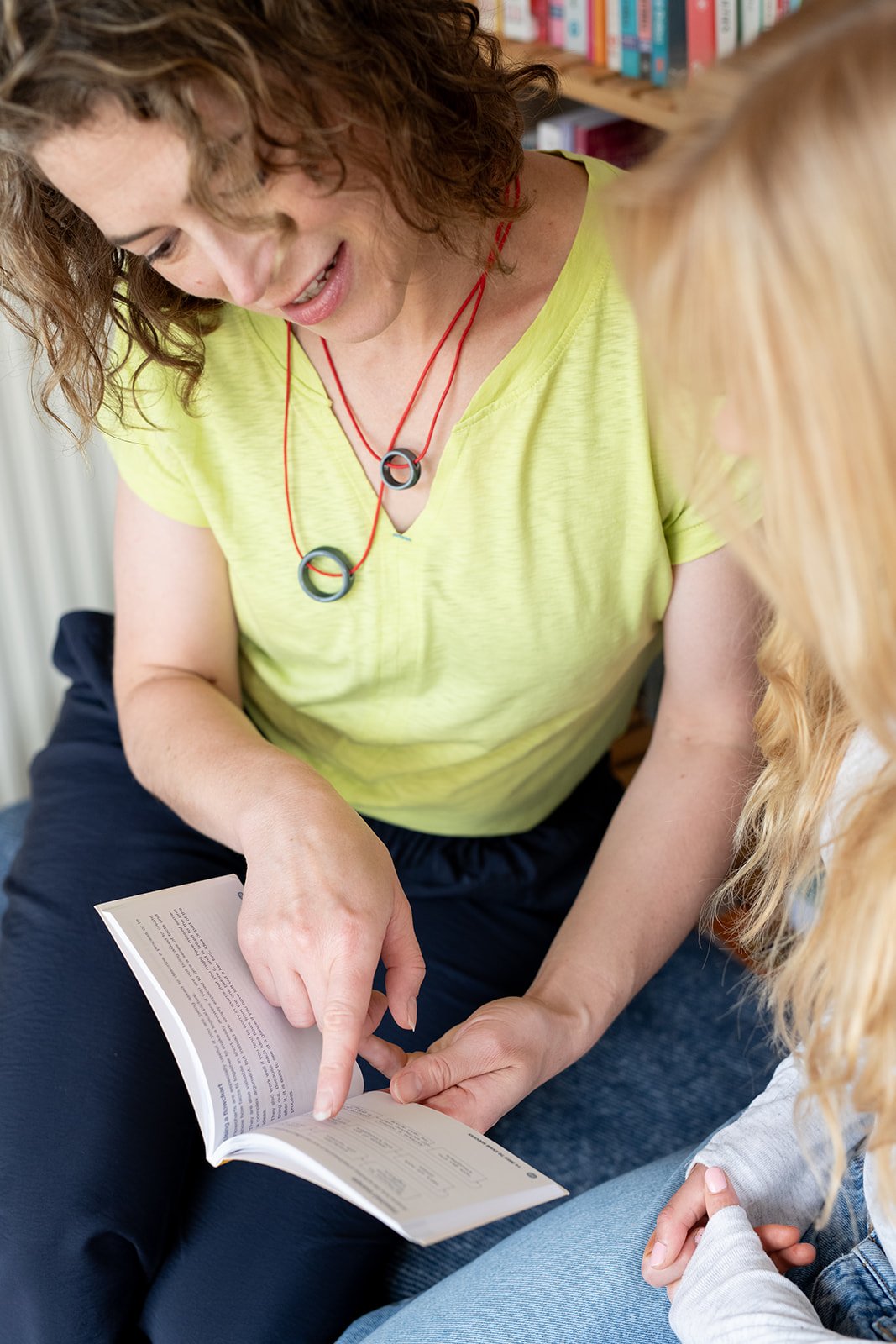
What happens in a session?
Each session looks a little different, depending on what you most want to focus on. Some young people or parents come with a specific goal or situation in mind; others come to a session feeling a bit stuck and use the time to work out what matters most that week. However, typical features of a session might include:
Exploring and reflecting: talking through goals, challenges or patterns to make sense of what’s going on.
Spotting obstacles: identifying what’s preventing progress, whether practical, emotional, or environmental.
Questioning and listening: using thoughtful questions and careful listening to help you see things from new angles.
Clarifying next steps: together we identify realistic actions or experiments to try before the next session.
Checking progress: reviewing what we’ve tried, what’s worked, and what to adjust.
This, of course, would be adapted according to individual needs. For example, younger children usually need lots more scaffolding. The younger the child, the more I work with the parents too.
FAQ: Working with me
-
Not at all! I work with anyone who feels they or their young person would benefit from the kind of support I offer.
I recognise that many families who relate to the neurodivergent experience cannot access assessment easily, whether due to long waiting lists or simply because a formal diagnosis isn't their priority. What they want is support for their young person to understand themselves and develop practical strategies for everyday life.
-
The number of sessions needed is a very individual thing. Some clients find that a handful of sessions is enough to set them on track; others find that they need long-term support, especially if their needs are complex.
Every package begins with a full (non-diagnostic) needs assessment because effective support has to be built on accurate understanding.
To give you an idea what a programme of support might look like, I have put together some packages to reflect the most common situations I see. You can find these on the Services page. -
Coaching, mentoring and counselling all support growth, but in different ways. Coaching focuses on helping someone move from where they are to where they want to be, through reflection, experimentation and action. Mentoring uses lived experience to offer guidance, perspective and reassurance. Counselling looks more closely at emotions and past experiences to help someone understand and heal. My work blends elements of all three. It's important to note that I’m not a counsellor. However, I use counselling-informed approaches that support coaching goals. This might include exploring how emotions or past experiences influence current patterns or decisions. The focus is always on insight and practical change, not therapy or treatment.
-
I work both in person and online, though I prefer to meet in person at least a couple of times before moving online, if at all possible.
For in-person sessions, I work in and around Henley-on-Thames. I try to offer as much flexibility as possible.
Some of my teen clients prefer to meet in an informal environment like a café - it feels a bit more grown up and gives them a sense of ownership over the process. Others prefer the convenience of having sessions at their home, especially after a tiring school day. Some need a quieter, neutral, therapeutic environment - in this case we would meet at the Cherry Tree Therapy Centre on Hart Street, Henley-on-Thames. University students often start working with me during the holidays, then continue sessions online. -
The coaching process encompasses aspects of the therapeutic approach, and many neurodivergent clients find it an invaluable coping tool. However, it cannot replace appropriate clinical or therapeutic support for certain co-occurring conditions: major depression, PTSD, severe anxiety disorders, eating disorders, self-harm and substance abuse, for example. For clients experiencing these issues, coaching sessions with me may still be appropriate in conjunction with specialised treatment by a professional qualified in the relevant area. This would very much depend on the individual situation.
I am able to put you in touch with a number of relevant clinical and therapeutic professionals experienced in working with neurodivergent people. -
I offer a small number of reduced-rate or pro-bono places for families on a lower income or receiving certain benefits. If this applies to you, please do get in touch.
If you’d like to explore funding options (such as a personal budget as part of EOTAS), I’d be very happy to talk it through.
I understand that this kind of support can feel like a huge investment. If a payment plan would make things more manageable, please don’t hesitate to get in touch - there’s absolutely no need to feel awkward about asking!